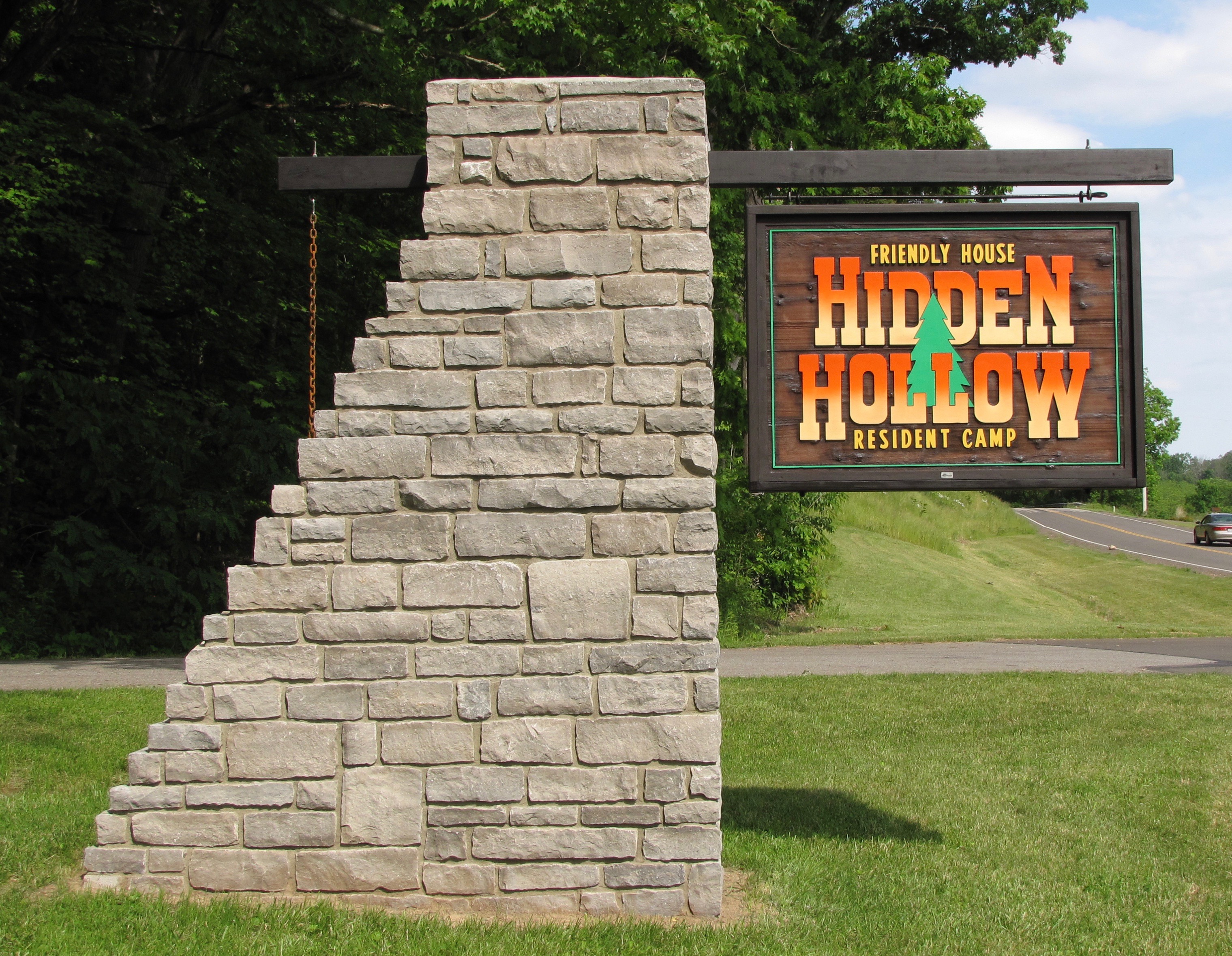
Warren Rupp Observatory
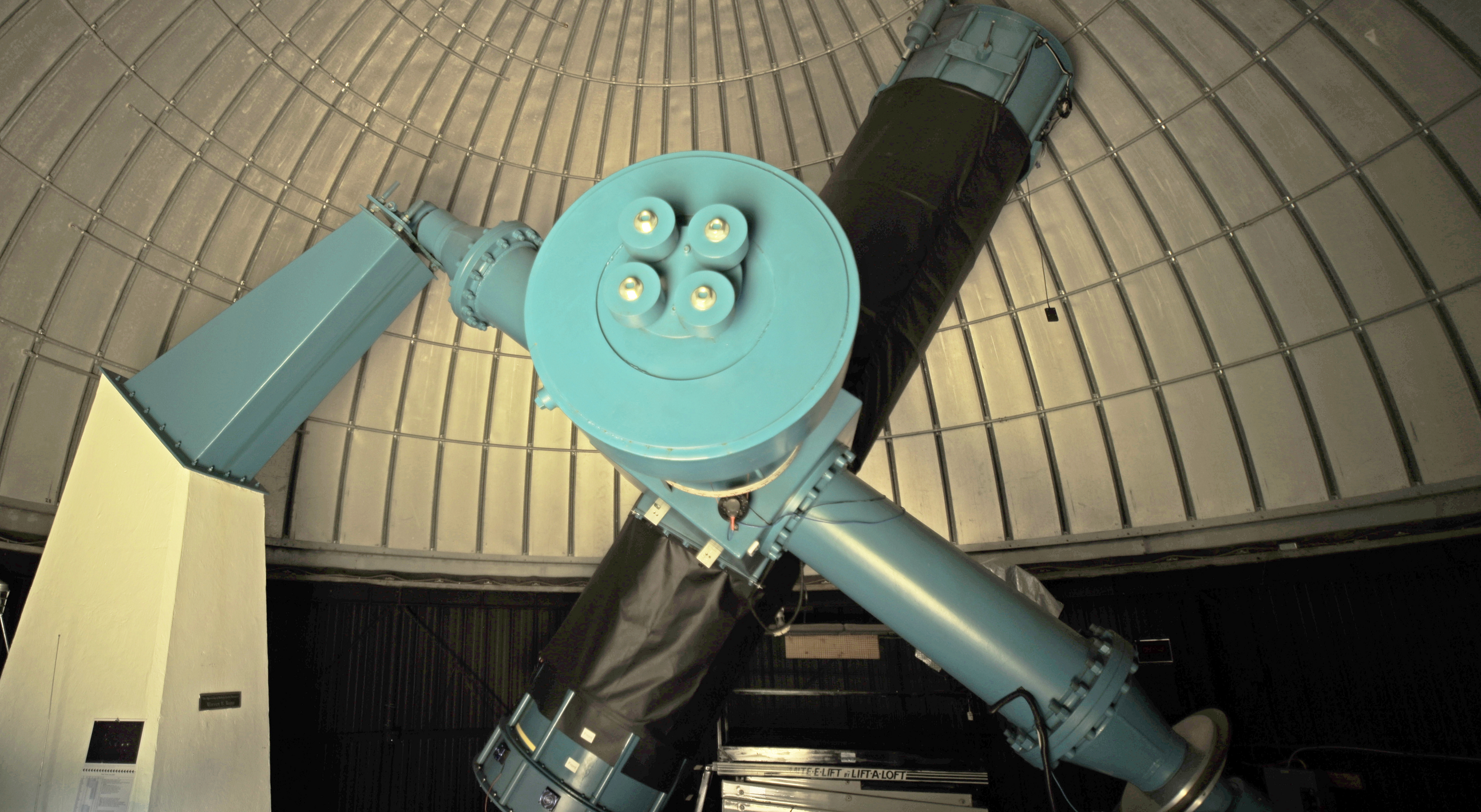
Big Blue
Our 36-inch Newtonian reflecting telescope and the centerpiece
of public astronomy at the Warren Rupp Observatory.
Current primary mirror
Reflecting telescope
Telescope and mount
First light at WRO
From Idea to First Light
The Story of Big Blue
Big Blue’s history stretches back decades before the Warren
Rupp Observatory itself. It is a story of amateur astronomers,
an extraordinary piece of glass, ambitious engineering,
volunteer effort and the generosity of people who believed
that north-central Ohio deserved a truly remarkable
observatory.
What began as an idea discussed over pizza in Cleveland
eventually became the massive telescope that generations of
visitors have experienced at Hidden Hollow.
1967
Cleveland, Ohio
An Idea Over Anchovy Pizza
The story begins in 1967 in a Cleveland pizza parlor.
Norm Oberle and Jim Thomas founded the
Lake Erie Astronomy Project, better
known as LEAP.
According to Doug Wereb, who knew the group as a teenager,
the idea was discussed over anchovy pizza.
Build a big telescope.
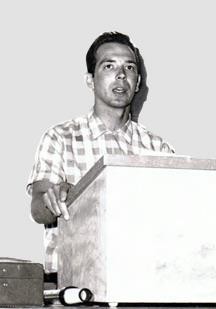
The beginnings of the Lake Erie Astronomy Project.
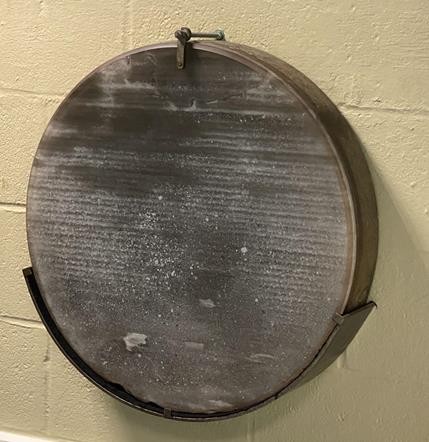
General Electric pioneered the manufacture of large
fused-quartz astronomical mirrors.
1971
A Remarkable Piece of Glass
The 31-Inch Mirror
General Electric’s Cleveland operation was pioneering
the production of large fused-quartz astronomical
mirrors. In 1971, GE donated a
31-inch, 235-pound fused-quartz mirror blank
to LEAP.
The mirror blank had been associated with a telescope
project at Kitt Peak National Observatory. Surviving
historical accounts conflict over whether it had been
intended for the McMath or Mayall telescope.
Whatever its original destination, the glass would
ultimately become the heart of one of Ohio’s most
distinctive amateur telescopes.
From Mirror Blank to First Light
Grinding the Mirror
Norm Oberle and Jim Thomas ground and polished the
31-inch mirror at locations near Wellington and
North Royalton, Ohio.
First Light
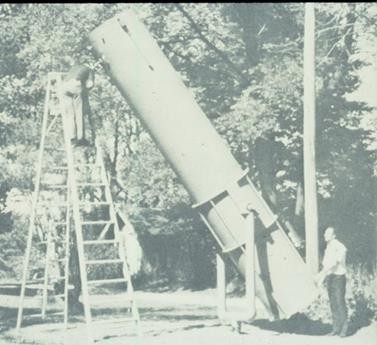
The telescope was built with an unguided altitude-azimuth
mount and a fiberglass-coated Sonotube. It saw first
light in the front yard of Oberle’s farm in North Royalton.
Into Storage
After several years, the telescope tube began to sag
and crack. The telescope was eventually dismantled and
placed into storage.
The Mansfield Connection
By the early 1980s, dark skies around the Richland
Astronomical Society’s observing site were attracting
astronomy enthusiasts associated with the Ohio State
University Astronomy Club.
Their involvement helped energize RAS. Among the people
connected with this period was Doug Wereb,
who had known the LEAP project as a teenager and was now
an observing assistant at Ohio State University’s
Perkins Observatory.
Wereb knew that the enormous 31-inch mirror still existed.
He told RAS member Bruce Scodova about it, creating the
connection that would change the future of the club.
1982
“I will give your club the mirror if you can build a scope for it.”
— Norm Oberle, during a spring 1982 visit to the
Richland Astronomical Society
1983
A Bigger Vision
Warren Rupp Changes the Plan
Bruce Scodova initially assembled approximately
$7,000 for a building, including
$2,500 from Warren Rupp, one of the
founding members of the Richland Astronomical Society.
The first plan called for a relatively modest
roll-off-roof observatory.
In May 1983, Bruce visited Warren Rupp at his home to
provide an update and show him the plans.
Warren envisioned something substantially more ambitious:
a large dome, a massive telescope mount and a facility
built to a professional standard.
That conversation transformed the project from a simple
telescope shelter into the Warren Rupp Observatory.
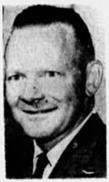
Warren E. Rupp helped transform the project into the
observatory visitors know today.
From a $7,000 Building to a Professional Observatory
$7,000
Modest roll-off-roof observatory
$250,000+
Dome, massive mount and observatory facility
Telescope and dome design work was completed in January
1984. The completed design was presented to Warren Rupp
on February 9.
By May 1984, the parties had agreed to move forward and
construction was underway.
The People Behind Big Blue
Creating the observatory required astronomers, engineers,
builders, electricians, supporters and volunteers.
Funding
Warren Rupp Foundation
Primary Mirror
Lake Erie Astronomy Project
Telescope Design
Gary Kader — North Coast Engineering
Paul Leopold — Amateur Astronomer
Telescope Construction
Dobbins Instruments — Tom Dobbins
Observatory Dome
Ash Dome
Construction
Innovative Builders — Mansfield
Electrical Work
Kahls Electric
Site
Friendly House — Bernie Dillon
Observatory Director
Bruce Scodova
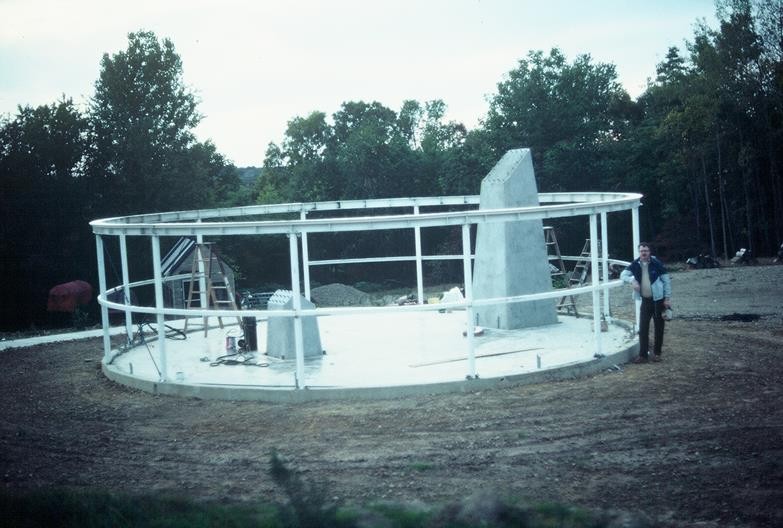
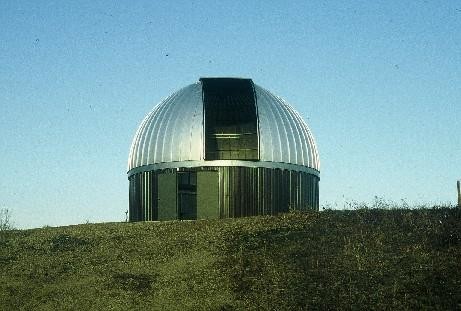
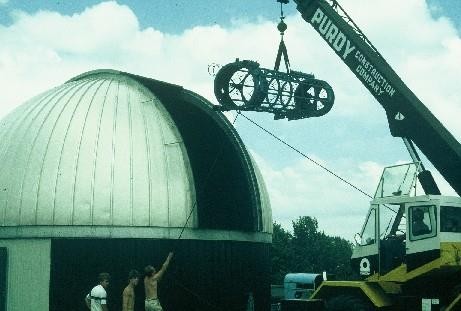
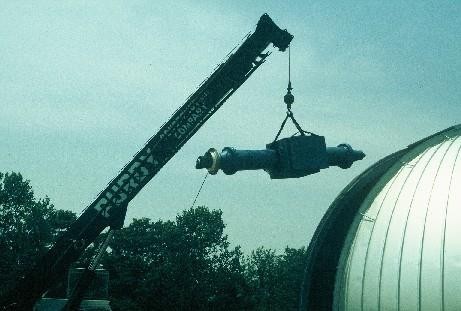
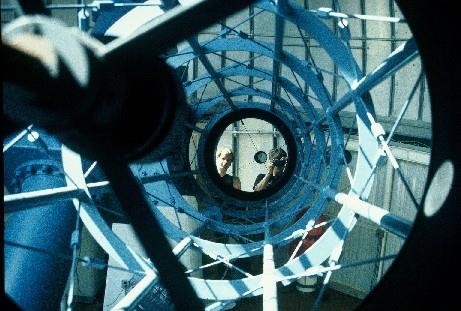
Building the Observatory
Construction transformed the wooded Hidden Hollow site into
a permanent home capable of supporting the enormous telescope.
1985
Big Blue Is Born
First Light at Hidden Hollow
The observatory dome was completed in late 1984.
Final assembly of the telescope followed in
October 1985.
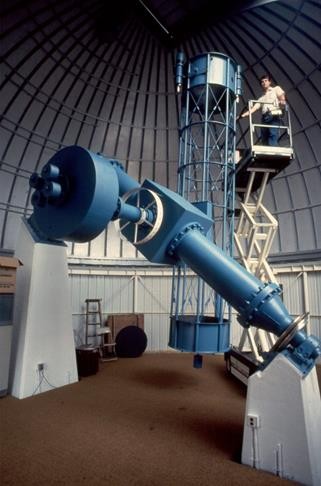
The completed telescope and mount weighed more than
7,500 pounds.
Big Blue achieved first light at the Warren Rupp
Observatory in late 1985. RAS members including
John Kerns, Barry McConnell and Bruce Scodova
participated in bringing the instrument into operation,
with tuning continuing through the spring of 1986.
Original primary mirror
Original mirror blank
Pounds — telescope and mount
With a 31 mm eyepiece
A Lasting Legacy
Warren Rupp
Warren Rupp’s support transformed the idea of simply housing
a large telescope into the observatory that stands at
Hidden Hollow today.
Warren died in 1987. Despite the enormous role he played in
making the observatory possible, historical accounts indicate
that he had the opportunity to look through Big Blue only once.
His vision, however, has allowed generations of visitors
to look through it.
Big Blue Today
Big Blue has continued to evolve since its first night beneath
the dome. Today the telescope uses a 36-inch primary mirror
while continuing the mission envisioned by the astronomers,
volunteers and supporters who created the observatory.
How Big Blue Works
Big Blue is a Newtonian reflecting telescope. Instead of a
large front lens, it uses mirrors to gather and focus light
from astronomical objects.
Light Enters the Telescope
Light from a distant object travels through the open
end of Big Blue’s optical tube.
The Primary Mirror Collects It
The large primary mirror gathers the incoming light and
reflects it back toward the upper end of the telescope.
The Secondary Redirects It
A smaller angled secondary mirror directs the focused
light toward the eyepiece.
You See the Universe
Visitors look directly through the eyepiece at light
collected by Big Blue.
What Can You See Through Big Blue?
What is visible changes with the season, weather,
atmospheric conditions and the objects above the horizon.
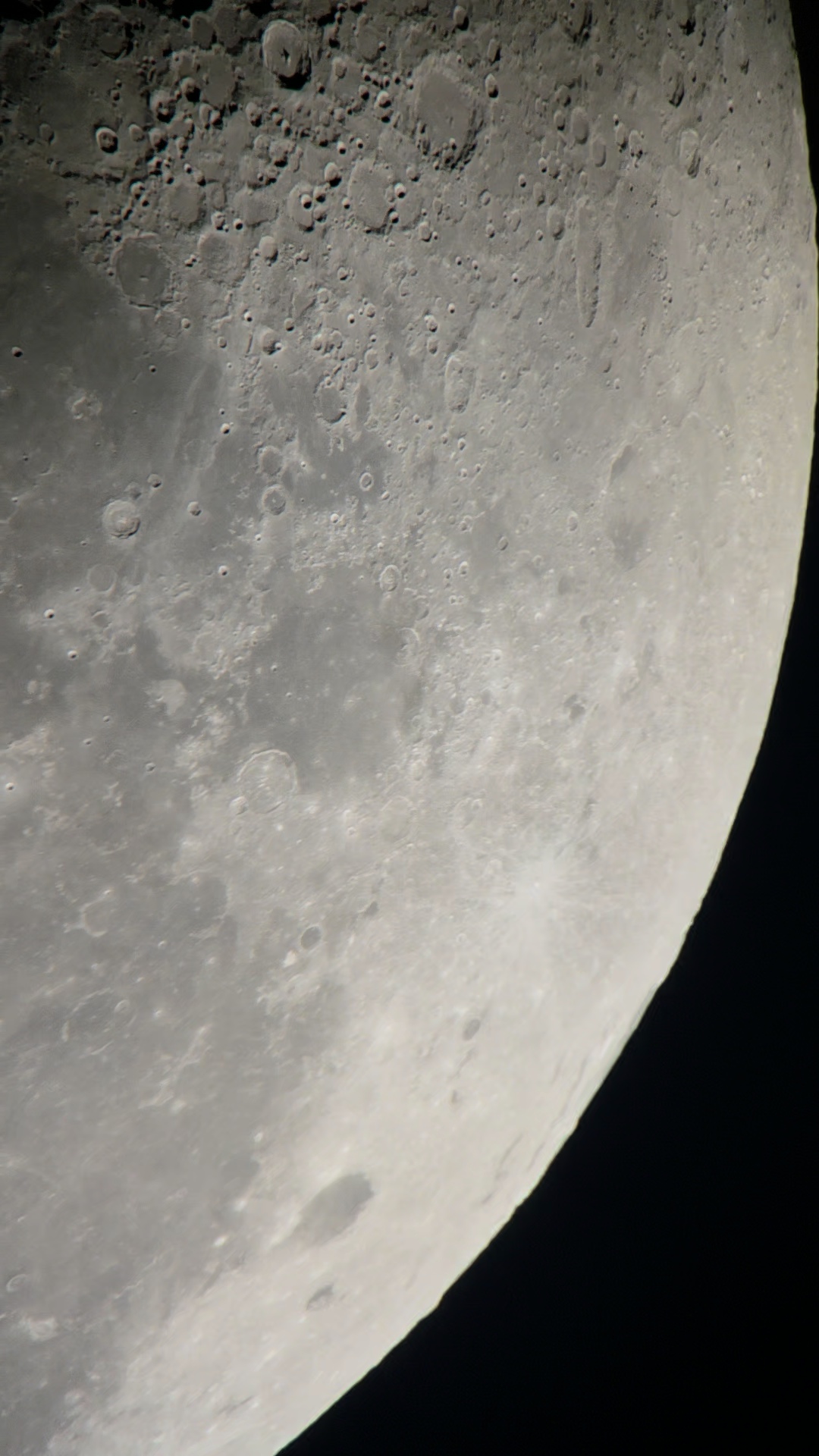
The Moon
Craters, mountains, valleys and dramatic shadows
become an extraordinary landscape.
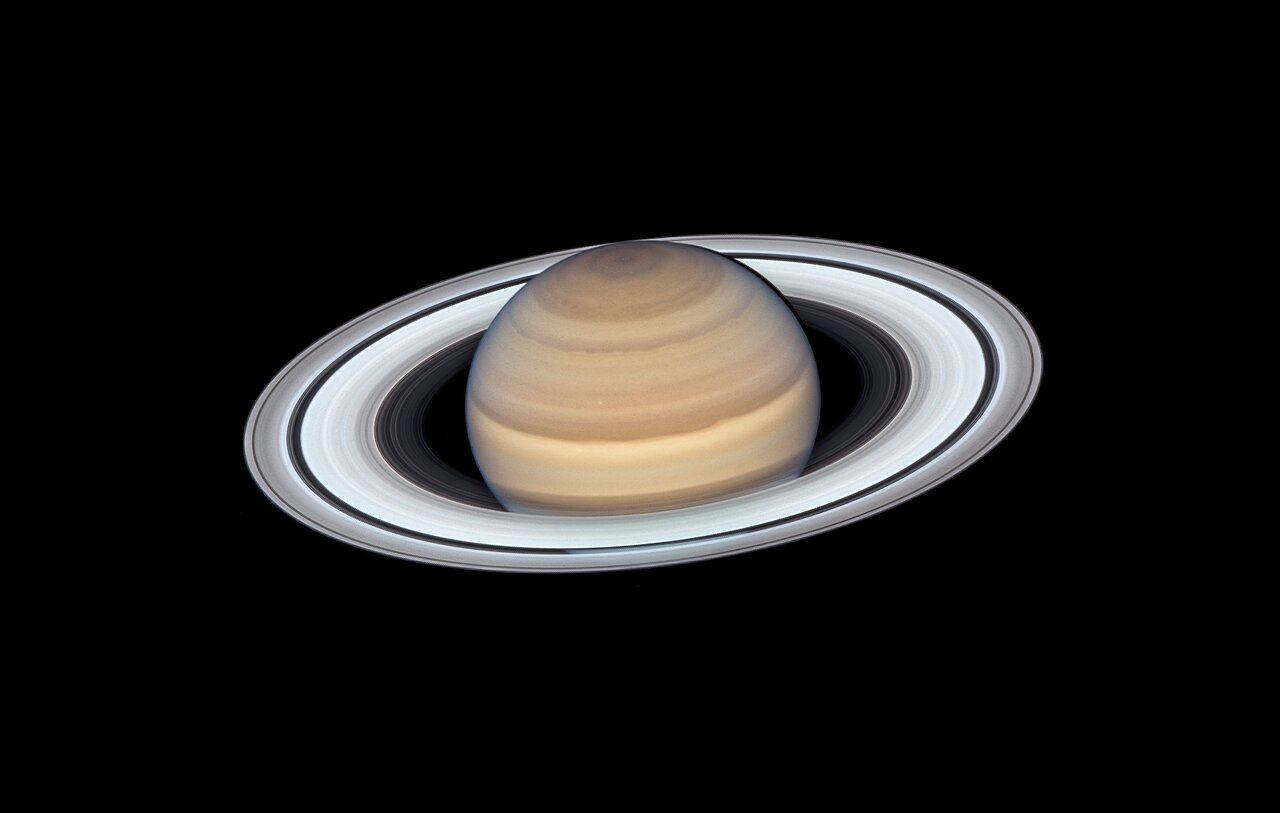
The Planets
Depending on the season, visitors may see Saturn,
Jupiter, Mars, Venus and other planets.
Nebulae & Star Clusters
Explore stellar nurseries, dying stars and dense
groups containing thousands of suns.
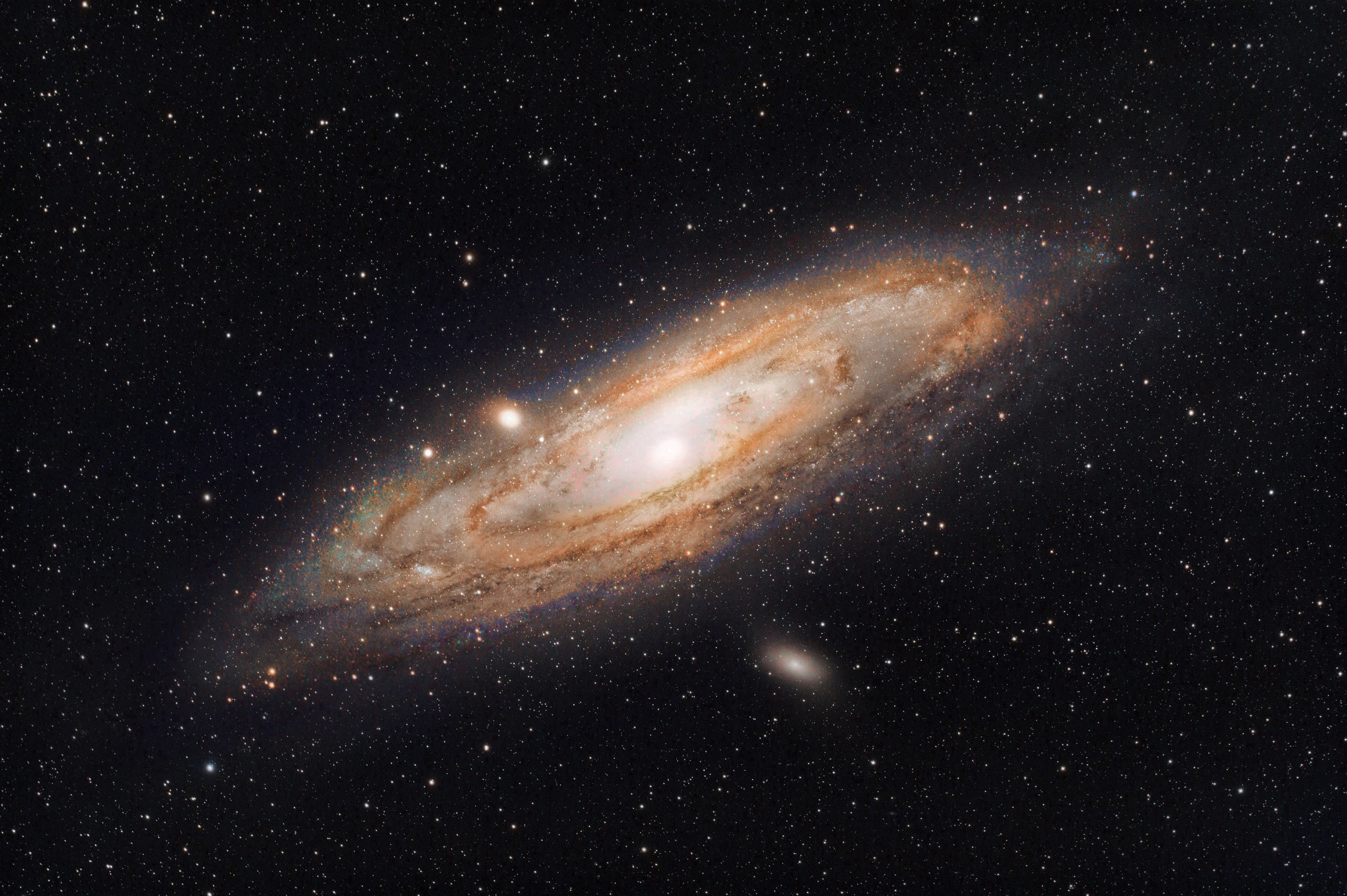
Distant Galaxies
Look beyond the Milky Way at galaxies whose light
began its journey millions of years ago.
Public Astronomy
A Telescope Built to Be Shared
Big Blue is not hidden away in a research facility.
It remains a telescope that visitors can experience
personally.
During public observing programs, guests can approach the
eyepiece and see light collected directly from the Moon,
planets, star clusters, nebulae and distant galaxies.